Pay for Delivery Certainty on Bulk Footwear — the Cheapest Quote Is the Trap
In February 2022, we saved $1,200 on a 3,000-pair order from a soccer cleats manufacturer. When that shipment missed our launch window by 11 days, we spent $4,800 cleaning up the fallout — rush replacements, freight upgrades, and one very uncomfortable call with our largest account. The premium for guaranteed delivery was around $900. I paid more than five times that in damage control.
I now budget for delivery certainty before I ever look at unit price on deadline-bound orders. That's not a principled stand — it's scar tissue. If you're sourcing bulk footwear for a season launch, a tournament, or a retail reset, the question isn't "who's cheapest." It's "who will actually be there on the date they promised." Those are two different suppliers more often than anyone likes to admit.
Why You Should Weigh My Opinion (I Earned It the Hard Way)
I've been handling footwear and equipment procurement orders for nine years. In that time I've made — and written down — seven sourcing mistakes that cost roughly $14,000 in wasted budget, redo shipping, and one customer I never fully won back. My team now runs a 14-item pre-order checklist because of it.
My first year (2017), I made the classic rookie error: I treated "in stock" as a synonym for "will ship." They're not the same thing. That assumption cost us $600 in a redo and pushed a work-boot delivery back a week — right during a client's onboarding. That's where the documentation habit started.
The $4,800 cleats order was the one that changed my whole approach. This was back in 2022, before everyone started baking lead-time buffers into contracts. We'd gone with a manufacturer that quoted 20% below our regular supplier. Deliverables were fine on paper. What we didn't do was verify their actual production calendar. Turns out February is their Chinese New Year production gap — nobody told us (surprise, surprise). The quote was accurate. The delivery date was fiction.
What Actually Goes Wrong on Bulk Footwear Orders
Here's the counter-intuitive part: the biggest delays on bulk orders I've seen don't come from shipping. They come from spec confusion that surfaces two weeks before the deadline, when there's no time left to fix it.
Take bulk shoe care. Every care kit looks the same on a spec sheet — cleaner, conditioner, brush, maybe a waterproofing spray. But "shampoo-based cleaner" versus "solvent-based cleaner" matters when the kit ships alongside certain leather finishes. We ordered 2,000 care kits once assuming the cleaner was pH-neutral. It wasn't. We caught it in QC, but re-sourcing meant a five-week delay on a program that was supposed to launch in three.
Running shoes are worse, because the specification guide is where ambiguity lives. Heel-to-toe drop, midsole stack height, outsole compound, last shape — every running shoes specification guide lists "standard" values, and every factory interprets "standard" a little differently. A drop spec of 8mm can mean 6.5mm to one factory and 9mm to another. If you're building a spec sheet across multiple suppliers, get the factory's actual measurement method in writing before you confirm the PO. I learned that one on a $3,200 reorder.
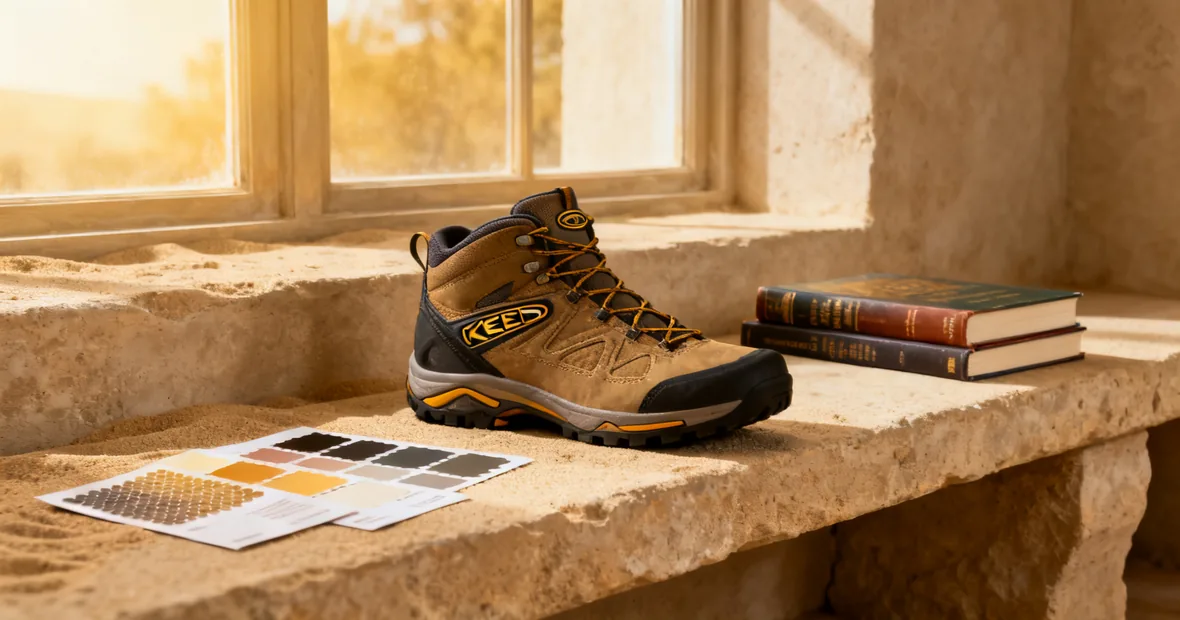
Hiking footwear brings its own flavor of delay. Waterproof membranes are the usual suspect. When we benchmarked against Keen hiking shoes — including the Keen men's Targhee Apex waterproof hiking shoes — the tricky bit wasn't the membrane itself. It was whether the factory understood "waterproof" to mean "seam-sealed and tested to a stated hydrostatic head" or "has a membrane and doesn't leak when splashed." Those aren't the same product. (Not that either one was going to admit the difference on a quote sheet.)
What the Checklist Actually Looks Like Now
I'm not a logistics expert, so I can't speak to carrier optimization or freight consolidation. What I can tell you from a procurement seat is this: three confirmations kill about 80% of the delivery surprises I've seen.
- Production calendar, in writing. Ask specifically about holidays, maintenance shutdowns, and pre-existing bookings. A manufacturer that won't share a calendar isn't a manufacturer you want on a hard deadline.
- Sample approval baked into the timeline. The sample isn't a formality — it's the deadline insurance. On any bulk shoe order, the sample approval date is the real go/no-go.
- Rush cost, quoted upfront. Ask what expedited production actually costs before you sign, not after the delay. On our last hiking order, the rush premium was $900 on a $22,000 PO (which, honestly, felt excessive). We paid it anyway. It was the right call.
There's a satisfaction to watching a delivery land on the actual promised date that's hard to describe. After the 2022 cleats mess, we had our first fully on-time season launch in 2023. The best part wasn't the money we saved — it was not being on a 5 a.m. call with an angry buyer.
When Paying for Certainty Is the Wrong Call
None of this applies to every order. If the product isn't deadline-bound — say, a general restock of bulk shoe care on a flexible 8-10 week horizon — then yes, take the cheapest reliable quote and let the timing float. I've done that plenty, and it's saved real money.
It also doesn't apply to first orders with a new supplier. Paying a rush premium to a factory you've never validated just amplifies the risk. Run a small trial, check the sample, then negotiate certainty on the bigger run. Speed on an unproven supplier is exactly the kind of decision that generates the next entry in my mistake log.
And there's one category where I'd actively argue against rushing: anything requiring certification or compliance documentation. That gets into compliance territory, which isn't my expertise — I'd recommend looping in whoever signs off on that for your business. A fast ship with the wrong certification paperwork is the most expensive kind of on-time.
The rule I'd hand a newer buyer is simple: if missing the date costs more than the premium — and it usually does — pay the premium. You're not buying speed. You're buying the right to plan the rest of your season around the delivery.

Leave a Reply