When I started managing B2B accounts at a footwear distributor, I assumed small orders were a waste of time. My logic felt airtight: a 60-pair order took nearly as much coordination as a 600-pair order. Why spend the same effort on a fraction of the revenue?
That assumption cost me more business than any pricing mistake I've ever made.
Here's the uncomfortable truth about small-order discrimination in footwear wholesale: most of us do it. We set a minimum order quantity. We deprioritize the 40-pair inquiry. We tell ourselves the math doesn't work. And every once in a while, we're wrong in a way that costs us for years.
The 60-pair mistake (and the 18-month silence that followed)
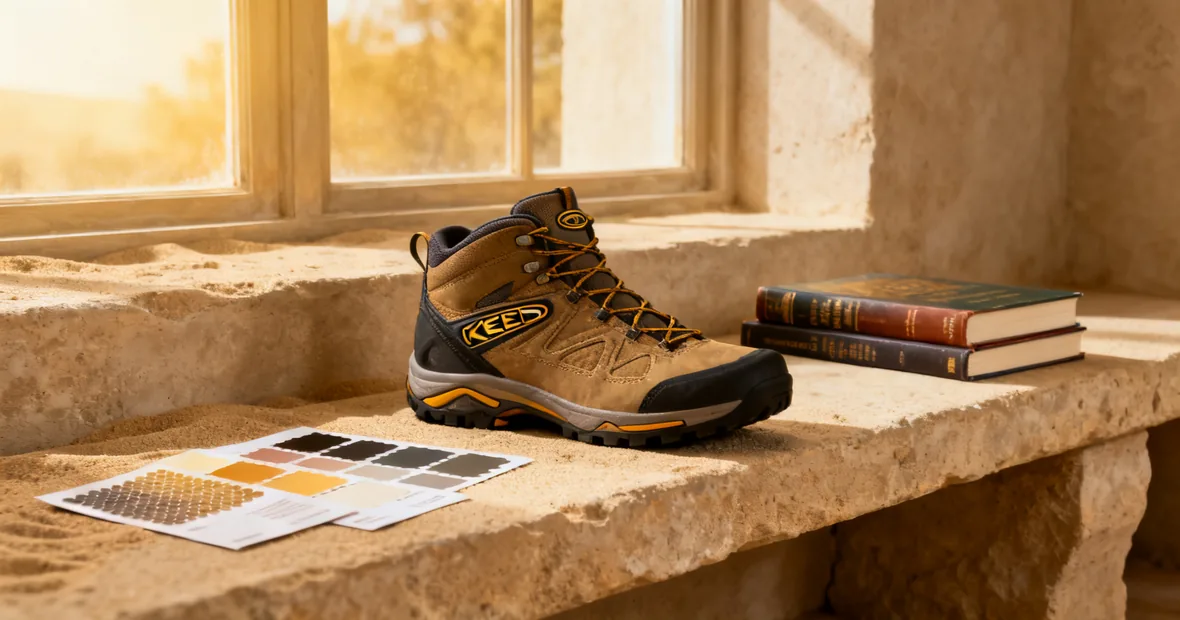
In October 2019, a buyer named Matt emailed me about 60 pairs of Keen hiking shoes for his outdoor store in Colorado. The order was small but varied — Targhee mid hiking boots, a few pairs of the Keen men's Zionic ADV open-air hiking shoes that were moving well that fall, plus a dozen units of athletic sandals he wanted to test.
I looked at the numbers. Total wholesale value around $5,800. Expected margin: roughly $1,100. After freight coordination, invoicing, and back-and-forth, maybe $400 net.
I said no. Our minimum was 200 pairs. I sent him a polite template reply — the kind that says "we'd love to work with you when you're ready to scale."
Matt replied "Okay." I didn't hear from him for 18 months.
Then in April 2021, a new email arrived: "Seasonal contract inquiry — 4 retail locations."
He'd grown from one shop into a small chain across Colorado and Utah. He needed a consistent supplier — roughly 1,200 pairs annually, plus recurring orders for athletic sandals sourcing and a shoe care private label partnership he was launching.
I lost that contract. Not to a competitor with better pricing. I lost it because Matt remembered the guy who told him his order was too small.
That missed opportunity probably cost us $60K–$85K over the first two years. I can estimate it now because I asked him later, after I'd moved to a different company, what happened. He was gracious about it. But he didn't give me the contract.
Why "small order = small value" is lazy math
When I first started out, I genuinely believed the spreadsheet logic: bigger order, better ROI. But here's what I've learned since then.
1. Small orders are the cheapest market research you'll ever get
When a buyer asks for 60 pairs of hiking shoes and 12 units of sandals, they're testing a market. They're learning what their customers want. If you're the supplier who takes that test order seriously, you're the supplier who gets the real contract when the test works.
Contrast that with the big buyer who orders 2,000 pairs, and you can't even tell if they're pricing you against three other distributors. Small orders are honest orders.
2. The operational cost of a small order is lower than you think
The paperwork itself is standard. The real cost is the back-and-forth — and if you're set up right, that's minimal. I've since tracked our inquiry-to-order time for orders under 100 pairs. It's about 15–20% more per unit than for orders over 500 pairs. But that's not a reason to skip them. That's a reason to tighten up your process.
For context, I once spent two weeks sorting out a customs issue on a 1,400-pair container. The per-unit headache on that order was significantly higher than anything I've dealt with on a 60-pair shipment. Order size doesn't guarantee simplicity.
3. The buyer who places small orders is usually the one who stays
My current company has a 73% retention rate on accounts that started with orders under 100 units. For accounts that started over 1,000 units, it's 58%. The small-order folks who stick around stay for years. The big-order folks sometimes chase the lowest price every season.
I'm not saying big accounts aren't important — they absolutely are. But the idea that small buyers don't matter? That's a false choice.
When I was starting out, the vendors who treated my $200 orders seriously are the ones I still use for $20,000 orders. Small doesn't mean unimportant — it means potential.
"But minimum order quantities exist for a reason"
I hear this every time I bring up small-order friendliness. And yes, MOQs have a legitimate operational purpose. But there's a difference between having an MOQ and using it as a wall.
Let me be honest about my own learning curve: I don't have a perfect answer here. I'm not a supply chain economist, and I can't tell you the exact breakeven point for your operation. What I can tell you is what I changed after I realized I was losing business by saying no too fast.
The first thing I did was stop treating MOQs as fixed. If a buyer wants 60 pairs at a slightly higher per-unit price, why not? That doesn't undercut your big buyers — it creates a separate pricing tier. That's not discrimination against small buyers. That's letting them buy their way in.
The second thing was tracking rejected inquiries. I started logging every inquiry I turned down for being "too small." After six months, I followed up with each one. About 22% had ordered from someone else. Of those, 8 out of 10 said they would have paid a premium to work with us if we'd been open to it.
That's the part that stings — the revenue wasn't lost because of price. It was lost because of attitude.
What I actually do now
I'm not running a charity. There's still a floor on order size — but the floor is now about operational feasibility, not gross margin. Here's my rough checklist:
- Can I fulfill this order without disrupting my current commitments? If yes, it's worth a conversation.
- Is the buyer testing a new category (like athletic sandals sourcing or private-label shoe care)? If so, small trial orders make sense.
- Does the buyer seem like someone who'll scale? I don't need a guarantor — I just need a track record of being reasonable.
If the answer is "maybe" on any of those, I quote an MOQ with a small-order surcharge. Some buyers walk. That's fine. The ones who stay become the ones you keep.
And if you're building out a hiking shoes wholesale cost guide for your own purchasing team, here's the single most important line item most people miss: the cost of saying no to a small buyer who might have grown. It doesn't show up in any spreadsheet until it's too late.
Bottom line
I'm not saying big accounts don't deserve priority. Of course they do. But the whole point of running a B2B footwear business is to build relationships — and you don't build relationships by looking at a 60-pair order and seeing a rounding error.
You see a buyer who might grow. You see a market test that costs you an email. You see someone who remembers how you treated them when they weren't profitable yet.
Matt runs a five-store chain now. I'll never get that contract back because I told him his order wasn't worth our time. That's a mistake I've made exactly once.
Don't wait until you've lost the 18-month silence to figure out what that silence costs you.

Leave a Reply